Meta Retargeting for Dentists: How to Stay Visible While Patients Consider Treatment
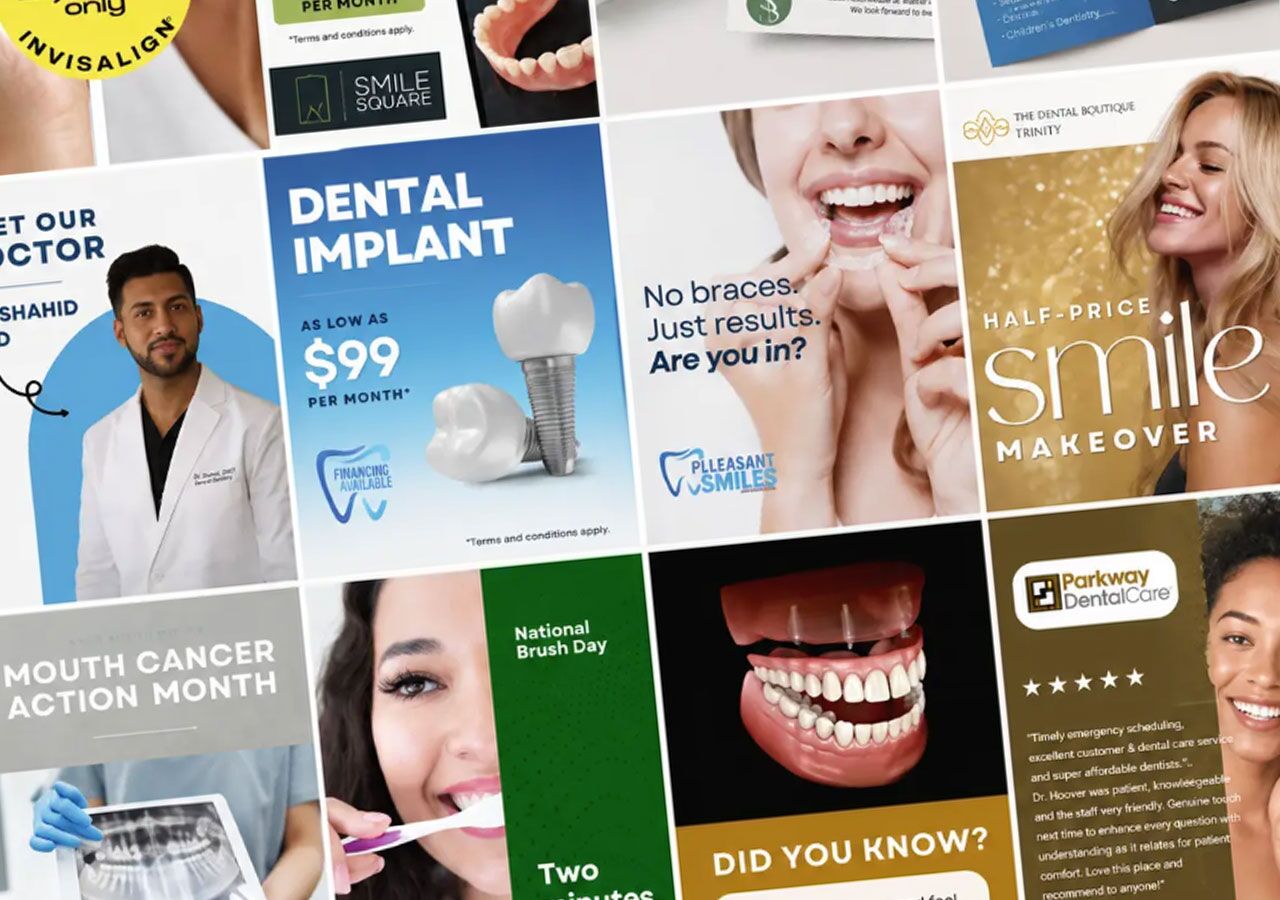
Not every patient schedules the first time they encounter a dental practice. Someone considering implants, cosmetic dentistry, clear aligners, or restorative treatment may research several practices, compare options, read reviews, watch videos, and revisit the decision later. Meta retargeting for dentists helps a practice remain visible during that consideration period.
A broader Meta Ads strategy for dentists can create demand, introduce treatment options, and connect patients with a practice before they are ready to search by name. Retargeting supports that process by reconnecting with people who have already shown some level of interest.
Instead of treating every impression as a first introduction, retargeting allows the campaign to continue the conversation. The message can become more specific, more educational, and more closely aligned with the questions patients often ask before scheduling.
What Is Meta Retargeting for Dentists?
Retargeting is an advertising strategy designed to reach people who have already interacted with the practice or its marketing.
Depending on available audiences, privacy settings, and campaign configuration, that interaction might include actions such as:
- Visiting the practice website
- Watching a practice video
- Engaging with Facebook or Instagram content
- Opening or interacting with an advertising experience
- Visiting a treatment landing page
- Engaging with previous campaign creative
The concept is straightforward. A person has already demonstrated some interest, so future advertising can continue building relevance rather than starting from zero.
Why Dental Patients Often Need More Than One Interaction
Not every dental decision has the same urgency.
An emergency patient may search and call within minutes. In contrast, a prospective implant or cosmetic patient may spend weeks evaluating treatment options.
During that time, the patient may be asking questions such as:
- Do I really need this treatment?
- What are my alternatives?
- What does the procedure involve?
- Will I feel comfortable with this dentist?
- How much time does treatment take?
- Can I finance the treatment?
- What happens during the consultation?
Retargeting provides opportunities to answer those questions gradually through useful creative.
Retargeting Should Continue the Patient Story
One of the most common advertising mistakes is showing the same promotional message repeatedly.
If the first ad said, "Schedule an implant consultation," repeating that identical message five more times may not address the reason the patient has not scheduled.
A stronger retargeting sequence can introduce new information.
For example:
- First interaction: Introduce the treatment problem and potential solution.
- Second interaction: Explain what the treatment process involves.
- Third interaction: Introduce the dentist and practice philosophy.
- Fourth interaction: Address a common patient concern.
- Fifth interaction: Present a clear consultation action.
This approach treats advertising as an educational journey rather than a repeated interruption.
Use Doctor-Led Video to Build Familiarity
Dentistry is personal. Patients are not only selecting a procedure, they are selecting a team they may need to trust with an important health or appearance-related decision.
Video allows the doctor and team to become familiar before the first conversation.
Retargeting videos can answer individual questions such as:
- What happens during an implant consultation?
- Who may be a candidate for clear aligners?
- What are common options for replacing missing teeth?
- How does the practice approach nervous patients?
- What should someone expect at a cosmetic consultation?
Short videos can also help the practice demonstrate personality without asking the patient to read a long article.
Separate Audiences by Treatment Interest When Possible
Someone who explored an implant page should not necessarily receive the same retargeting message as someone who engaged with a clear-aligner campaign.
When audience size and campaign setup allow it, separating treatment interest can make messaging more relevant.
Potential audience categories may include:
- Dental implants
- Cosmetic dentistry
- Clear aligners
- New-patient dentistry
- Restorative care
- Other priority services
The goal is not to create unnecessary complexity. It is to preserve continuity between the patient's original interest and the message that follows.
Retarget Website Visitors With Useful Information
A website visit demonstrates interest, but it does not explain why the visitor left without contacting the practice.
Perhaps the patient was interrupted. Perhaps the patient wanted to compare providers. Perhaps a financial question remained unanswered.
Retargeting can bring useful information back into view.
For example, a person who visited an implant landing page might later see:
- A short implant FAQ video
- A doctor introduction
- An explanation of consultation steps
- A patient-friendly treatment timeline
- A financing-oriented message, when appropriate
The objective is to reduce uncertainty rather than simply increase ad frequency.
Retarget Social Engagement
Website visitors are not the only warm audience.
A person who watches a significant portion of an educational treatment video may have meaningful interest even if that person never clicked to the website.
Likewise, someone who repeatedly engages with practice content may be building familiarity over time.
This creates an opportunity for social advertising and organic dental social media to reinforce each other. Organic content can show practice culture, education, team personality, and ongoing activity, while paid retargeting can keep priority treatment messages visible to interested audiences.
Use Retargeting to Address Objections
Patients often delay action because one question is unresolved.
Retargeting creative can address common decision barriers without becoming aggressive.
Concern: "I do not know what the consultation involves."
Create an ad that explains the consultation in simple steps.
Concern: "I am nervous about treatment."
Use doctor-led content that explains how the practice approaches patient comfort and communication.
Concern: "I need to understand my options."
Offer educational creative comparing categories of treatment without making unrealistic promises.
Concern: "I am still comparing practices."
Show the people, philosophy, environment, or patient experience that makes the practice recognizable.
Strong retargeting can answer the next question instead of merely repeating the first sales message.
Connect Every Ad to a Focused Landing Experience
Retargeting can create interest, but the page after the click still matters.
If an ad focuses on one treatment, the landing page should continue that topic. Sending every retargeting visitor to the homepage can force the patient to restart the research process.
A focused page should make it easy to find:
- Treatment information
- Relevant patient questions
- Practice trust signals
- Doctor information
- Appointment or consultation options
The transition from ad to page should feel continuous.
Control Frequency and Creative Fatigue
Staying visible is useful. Becoming irritating is not.
Retargeting programs should monitor how often audiences encounter the same creative and whether performance changes over time.
Creative fatigue can appear when the same audience repeatedly sees identical ads. Practices can reduce this by developing several useful creative angles and refreshing messaging when needed.
Instead of one ad repeated indefinitely, a campaign might rotate:
- Doctor education
- Treatment questions
- Practice personality
- Patient experience
- Consultation information
- Service-specific explanations
Measure Appointments, Not Just Retargeting Clicks
Retargeting reports can show impressions, clicks, video views, and leads. However, dental practices ultimately need to know whether marketing contributed to meaningful patient opportunities.
That is where appointment and attribution tracking becomes valuable.
ePulse dental ROI tracking is designed to connect campaign sources with calls, appointments, patient records, production, and collections so marketing performance can be evaluated beyond platform-level lead counts.
Useful retargeting questions include:
- Which treatment campaigns generated qualified conversations?
- Which leads scheduled consultations?
- How many appointments were actually booked?
- What patient value came from the campaign?
- Which creative themes contributed to useful opportunities?
Benefits of Meta Retargeting for Dentists
- Continued visibility: Retargeting keeps the practice present while patients are still researching treatment.
- More relevant messaging: Ads can reflect the treatment or content a prospective patient previously explored.
- Patient education: Retargeting can answer questions over several interactions instead of forcing every detail into one advertisement.
- Greater familiarity: Doctor and team videos help prospective patients recognize the people behind the practice.
- Better use of existing traffic: Website visitors and social engagers can remain part of the marketing journey after their first interaction.
- Support for complex treatments: Considered services such as implants, cosmetic dentistry, and aligners often involve a longer decision process.
- Stronger campaign continuity: The ad, landing page, follow-up, and appointment path can reinforce the same patient need.
- More useful measurement: Appointment-level attribution helps evaluate whether retargeting is contributing to actual practice opportunities.
Give Interested Patients a Clear Path to Respond
Retargeting works best when the patient can act easily once the timing feels right.
Every campaign should make the desired action obvious. Depending on the treatment and practice workflow, the action may be:
- Call the practice
- Request a consultation
- Submit a short form
- Begin a message conversation
- Choose an appointment time
The conversion experience should remain simple, especially on mobile devices.
Frequently Asked Questions About Meta Retargeting for Dentists
What is Meta retargeting for dentists?
Meta retargeting is a paid social advertising strategy that reconnects with people who have already interacted with a dental practice, its website, its social content, or previous campaigns.
Which dental treatments can work well with retargeting?
Retargeting may be useful for considered treatments such as implants, cosmetic dentistry, clear aligners, restorative care, and other services where patients often research options before scheduling.
Should retargeting ads repeat the original advertisement?
Not always. Retargeting can be more useful when it adds new information, answers patient questions, introduces the doctor, or addresses common concerns that may delay scheduling.
Can video be used in dental retargeting campaigns?
Yes. Doctor-led and practice-specific video can help explain treatment, answer questions, and build familiarity with prospective patients.
How should a dental practice measure retargeting success?
Platform metrics can be useful, but practices should also evaluate qualified inquiries, scheduled appointments, patient value, and other outcomes tied to business growth.
Stay Helpful While the Patient Is Deciding
Meta retargeting for dentists is most effective when it respects the reality of patient decision-making. People considering meaningful treatment may need time, education, reassurance, and several opportunities to understand a practice before scheduling.
The goal is not to follow patients around the internet with the same promotion. The goal is to remain relevant, answer the next question, and create a clear path back when the patient is ready to continue the conversation.
If your dental practice wants a Meta advertising system that connects creative, patient education, retargeting, landing pages, follow-up, and appointment measurement, contact Energize Group at 910-857-5874 to Schedule a Consultation.
From insight to action
Build a Clearer Growth Plan.
Connect the idea to the right website, campaign, and patient follow-up system.
Schedule a Growth Consultation