Dental Website Conversion Rate Optimization: 15 Small Fixes That Turn Traffic into Calls
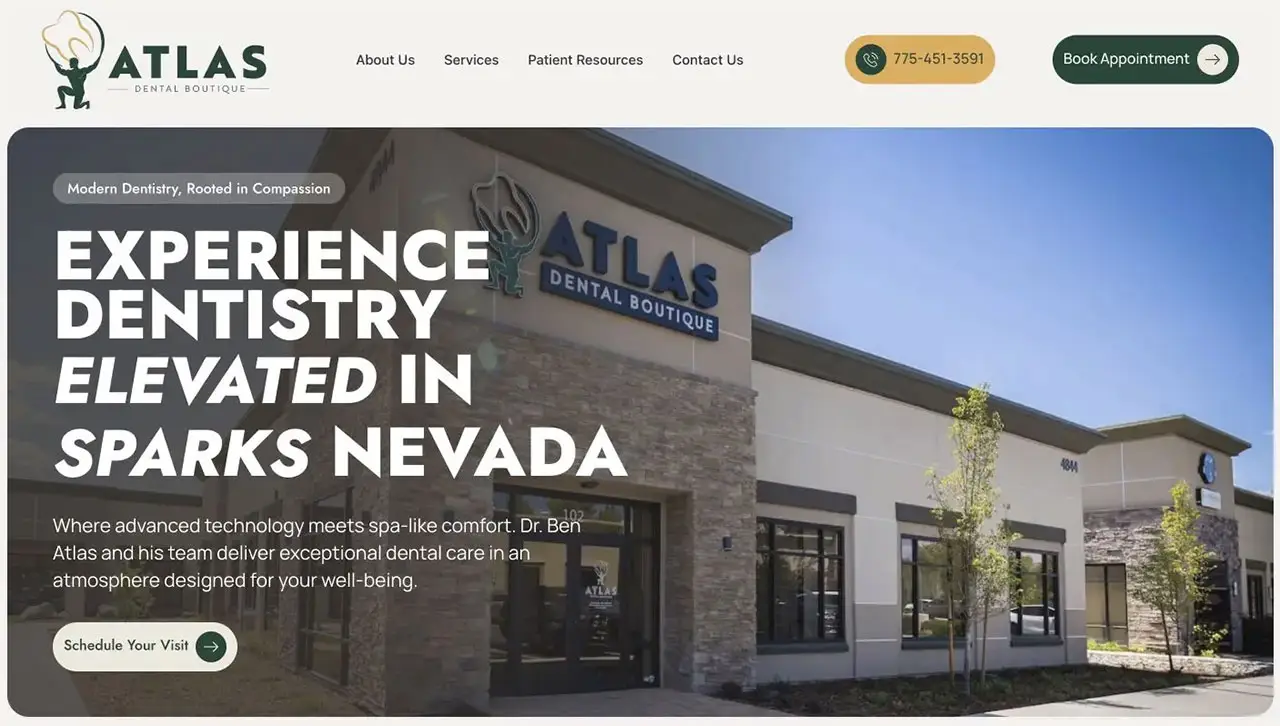
A dental website can look polished, rank well, and receive steady traffic while still failing to generate enough calls or appointment requests. When that happens, more traffic is not always the solution. The bigger opportunity may be improving what happens after visitors arrive.
Dental website conversion rate optimization, often called CRO, focuses on making a website easier for prospective patients to understand, trust, and use. A conversion-focused dental website gives visitors clear information and makes the next action obvious, whether that means calling the office, completing a form, or requesting an appointment.
Conversion rate optimization is not about tricking visitors into taking action. Instead, it removes unnecessary friction. Patients should be able to quickly understand what the practice offers, whether the office may fit their needs, and what they should do next.
Here are 15 practical improvements that can help turn more existing website traffic into patient conversations.
First, Decide What Counts as a Conversion
Before improving a dental website, define the actions that matter most to the practice. Otherwise, it is difficult to determine whether changes are actually improving performance.
Common dental website conversions include:
- Phone calls
- Appointment request forms
- Completed online bookings
- Text or chat inquiries
- Directions requests
- Consultation requests
Different pages may have different conversion goals. An emergency dentistry page may prioritize a phone call, while a dental implant page may focus on consultation requests. A new-patient page might offer both calling and online scheduling.
The key is to avoid overwhelming patients with too many competing actions.
15 Dental Website Conversion Rate Optimization Improvements
1. Make the Phone Number Easy to Use on Mobile Devices
Many prospective patients search for dental care on a phone. If the practice number is difficult to find, too small to tap, or hidden at the bottom of the page, patients may leave rather than search for it.
Place a clear click-to-call option near the top of mobile pages. Depending on the website design, a persistent call button can also help patients take action from anywhere on the page.
2. Use a Clear, Specific Headline
A headline such as "Welcome to Our Practice" does not tell a visitor much. Instead, communicate the page's purpose immediately.
Examples might include:
- Family Dentistry in [City]
- Dental Implants in [City]
- Emergency Dental Care When You Need Help Fast
- Clear Aligner Consultations in [City]
The patient should not need to interpret the page before understanding what it offers.
3. Explain What Happens After the Patient Reaches Out
Uncertainty creates friction. Patients may hesitate because they do not know whether they will speak with someone immediately, receive a callback, schedule online, or need to provide extensive information.
A short "what happens next" explanation can make the process feel simpler.
For example:
- Request an appointment.
- A team member confirms availability.
- Bring any requested insurance or health information.
- Meet the team and discuss your dental needs.
4. Use Authentic Practice Photography
Patients often want to know what a practice feels like before scheduling. Real photography can help create familiarity and trust.
Useful images include:
- The dentist and clinical team
- The front desk
- Treatment rooms
- Technology
- The exterior of the building
- Welcoming common areas
Stock photography can support certain pages, but a website built entirely from generic imagery may feel less connected to the actual practice experience.
5. Place Trust Signals Near Decision Points
Do not make visitors hunt for reasons to feel confident.
Trust signals can include:
- Patient reviews
- Dentist credentials
- Practice experience
- Technology information
- Memberships or relevant qualifications
- Patient-friendly FAQs
Place the most relevant proof near calls to action, particularly on treatment pages where patients may be comparing several practices.
6. Shorten Appointment Request Forms
Long forms can discourage action, particularly on mobile devices. A prospective patient usually does not need to complete extensive paperwork before simply asking for an appointment.
Consider limiting the initial inquiry form to information the team genuinely needs, such as:
- Name
- Phone number
- Email address, when useful
- Preferred appointment time
- Reason for contacting the practice
Additional details can be collected later in the scheduling process.
7. Build Service Pages Around Patient Questions
A strong service page should not read like a textbook. Patients often arrive with practical questions.
For example:
- Is this treatment appropriate for me?
- What problem does it address?
- How does treatment work?
- How many visits could be involved?
- What alternatives are available?
- What should I do if I am interested?
Clear answers support both search visibility and conversions because they help patients move from research to action.
8. Add Calls to Action Throughout Longer Pages
Patients do not all make decisions at the same point. Some are ready to call after reading the introduction. Others want to read FAQs, understand the treatment, or review payment information first.
For longer pages, include natural opportunities to act throughout the content rather than relying on one button at the very bottom.
Examples include "Request an Appointment," "Call the Practice," or "Schedule a Consultation."
9. Improve Mobile Page Speed
Patients may leave a page before seeing your message if it takes too long to load.
Common causes of slow dental websites include oversized images, unnecessary scripts, outdated plugins, large video files, and poorly optimized page builders.
Faster pages improve usability, particularly for patients searching from mobile devices or weaker connections.
10. Make Insurance and Payment Information Easier to Understand
Cost and insurance questions can prevent patients from scheduling. The website does not need to provide every possible financial answer, but it should help patients understand how to get the information they need.
A useful page might explain:
- Whether the practice works with PPO insurance
- How the team helps patients understand benefits
- Whether financing options are available
- Whether a membership plan exists
- Who patients can contact with financial questions
11. Make the Practice Feel Human
Patients are choosing people, not just procedures.
An effective About page or practice introduction can explain:
- Why the practice exists
- The team's approach to patient care
- What patients can expect during visits
- The dentist's background
- The culture of the practice
This information can be particularly valuable for nervous patients or people who have not visited a dentist recently.
12. Use Location Information Naturally
Patients want to know whether the office is convenient. Include the primary city and relevant nearby communities naturally within page content.
Location information can also support local search visibility when it accurately reflects the market the practice serves.
A dedicated dental marketing system can connect websites, search strategy, advertising, patient communication, and tracking around the same growth goals instead of treating each channel separately.
13. Answer Frequently Asked Questions
Frequently asked questions can eliminate uncertainty without requiring the patient to call first.
Useful website FAQs might address:
- Whether the practice accepts new patients
- What to do during a dental emergency
- Whether sedation is available
- How to transfer dental records
- What patients should bring to a first visit
- How appointment scheduling works
14. Create a Dedicated New-Patient Page
A new-patient page gives first-time visitors one place to understand the process.
It can include:
- How to schedule
- What to bring
- Office location and parking information
- Insurance and payment information
- Patient forms
- What to expect during the first appointment
This type of page can also become a useful destination for advertising, social media, email, and referral traffic.
15. Measure What Visitors Actually Do
Without tracking, conversion optimization becomes guesswork.
Useful measurements include:
- Calls from the website
- Form submissions
- Online bookings
- Conversion rate by landing page
- Conversion rate by traffic source
- Mobile versus desktop performance
- Appointment outcomes
Over time, these measurements help identify which pages deserve attention and which changes are producing meaningful results.
Benefits of Dental Website Conversion Rate Optimization
Dental website conversion rate optimization can improve marketing performance without requiring the practice to simply purchase more traffic.
- More value from existing visitors: A higher conversion rate means more current traffic can become patient inquiries.
- A simpler patient experience: Clear navigation and stronger calls to action make the website easier to use.
- Better mobile performance: Mobile-focused improvements help patients call or schedule without unnecessary friction.
- Stronger advertising performance: Better landing pages can make paid traffic more productive.
- Improved local marketing: Clear service and location information can support both patient decisions and local visibility.
- More useful measurement: Conversion tracking shows which pages and traffic sources are producing patient actions.
- Lower dependency on additional traffic: Improving conversion rates can create growth before increasing advertising budgets.
- Greater patient confidence: Helpful information, authentic practice details, and a clear process can reduce uncertainty.
Review the Entire Patient Journey, Not Just the Website Design
A beautiful website is valuable, but appearance alone does not determine conversion performance. The experience should connect what brought the patient to the site with what happens after the patient reaches out.
For example, a successful Google search journey may look like this:
- The patient searches for a service.
- The search result or ad matches the need.
- The patient reaches a focused page.
- The page answers important questions.
- The patient calls or submits a form.
- The practice responds promptly.
- The patient schedules an appointment.
Every step influences the final outcome.
Frequently Asked Questions About Dental Website Conversion Rate Optimization
What is a good conversion for a dental website?
There is no universal conversion rate that applies to every practice. Performance varies by traffic source, service mix, market, device, page type, and what the practice defines as a conversion. The most useful approach is to establish a baseline and improve it over time.
Does a dental website need separate pages for each service?
Important services generally benefit from dedicated pages because patients can find focused information about the treatment, common questions, and scheduling options without sorting through unrelated content.
Can website conversion rate optimization improve Google Ads results?
Yes. A better landing experience can help paid-search visitors understand the offer and take action more easily, which can improve the value generated from advertising traffic.
Should dental websites use online appointment forms?
Forms can be useful when they are easy to complete and the practice responds promptly. Some patients prefer calling, while others prefer digital scheduling, so offering more than one practical path can be helpful.
Why is mobile optimization so important for dental websites?
Many patients search for local healthcare services on smartphones. Mobile-friendly design helps them read information, tap phone numbers, complete forms, and request appointments without unnecessary difficulty.
Turn More Website Visits Into Patient Conversations
Dental website conversion rate optimization is most effective when it focuses on clarity. Patients should know where they are, what the practice offers, why the information is relevant, and how to take action.
Small improvements can add up. A clearer headline may keep a visitor engaged. A shorter form may generate another appointment request. A prominent phone button may save a patient from leaving the site. Better tracking can reveal which service pages deserve further investment.
If your dental practice wants a website designed to educate patients, build confidence, and make scheduling easier, contact Energize Group at 910-857-5874 to Schedule a Consultation and explore a conversion-focused website strategy.
Keep reading
Related Insights.

Dental Call Tracking & Attribution: Know Which Marketing Actually Booked the Patient
If you have ever asked whether your dental marketing is actually working, there is a more useful question to consider: which marketing source produced the patient who scheduled…
Read articleFrom insight to action
Build a Clearer Growth Plan.
Connect the idea to the right website, campaign, and patient follow-up system.
Schedule a Growth Consultation